Olympia Historic District Living in South Capitol
June 11, 2026
June 11, 2026
If you picture historic living as beautiful but impractical, Olympia’s Historic District may surprise you. In South Capitol, you get tree-lined streets, standout architecture, and a location that keeps you closely connected to downtown, the Capitol Campus, and the waterfront. If you are wondering what daily life really feels like here, this guide will walk you through the look, rhythm, benefits, and tradeoffs of living in one of Olympia’s most distinctive neighborhoods. Let’s dive in.
When people talk about Olympia’s Historic District in residential terms, they are typically referring to the South Capitol Neighborhood Historic District. This is the historic residential area directly south of downtown and the Capitol Campus, roughly bounded by Capitol Lake, US 5, and 16th Avenue.
This district was listed on the National Register in 1991. It includes more than 440 primary properties, with mostly single-family homes alongside duplexes, professional offices, a school, a neighborhood store, two churches, and open space.
South Capitol does not feel like a far-out residential pocket separated from the city. It feels like a compact in-town neighborhood that grew alongside Olympia’s role as the state capital.
That central setting shapes daily life in a big way. You are close to downtown commerce, civic spaces, and the Capitol Campus, so the neighborhood often feels connected rather than isolated.
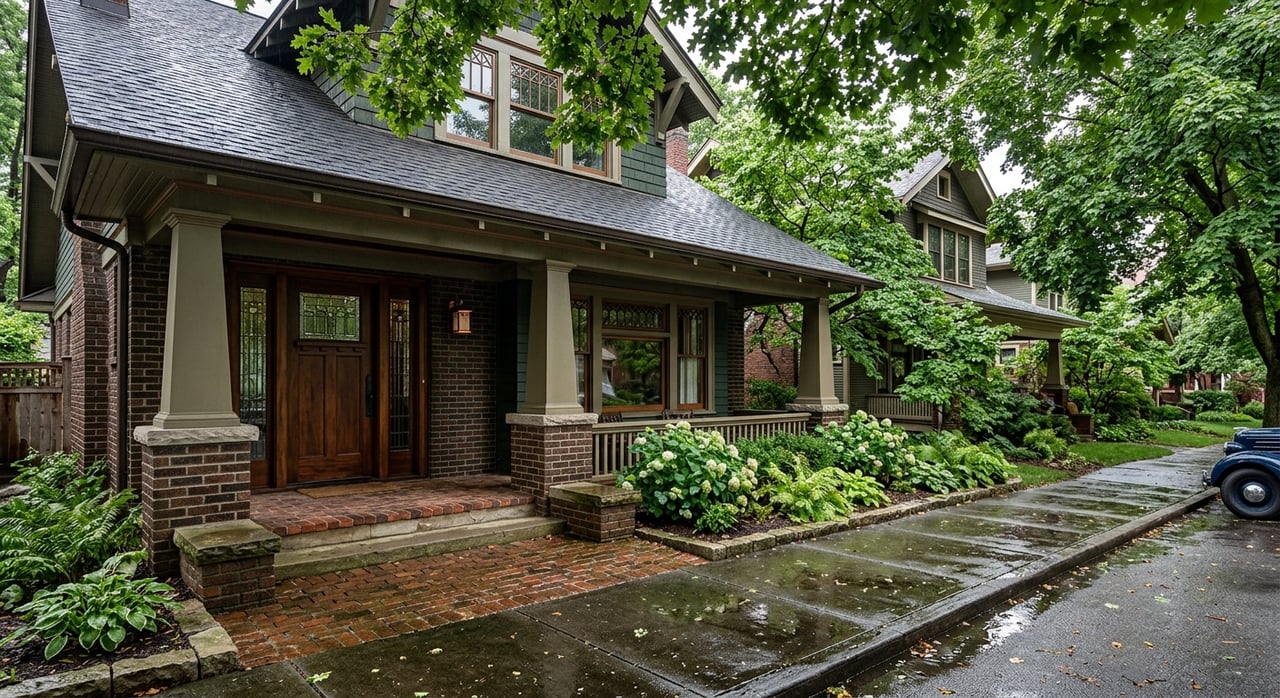
The streetscape is a major part of its appeal. Historic records describe tree-shaded streets, sidewalks, parking strips, and heavily landscaped lots, which gives the area a leafy, lived-in character instead of a museum-like feel.
If you enjoy homes with personality, this is one of the district’s strongest draws. The neighborhood includes a wide range of architectural styles, including Queen Anne, Victorian-era homes, Craftsman bungalows, American Foursquares, Colonial Revival homes, English Revival houses, and smaller numbers of Mission or Spanish Colonial Revival and French Eclectic designs.
That variety helps the neighborhood feel layered and interesting. You are not walking block after block of one repeated house type. Instead, the area reflects different stages of Olympia’s growth and different home sizes, layouts, and design details.
The walking tour for South Capitol also notes the oldest surviving home in the neighborhood was built in 1878. Later postwar infill homes, including ranch-style layouts with front garages, show that the district has continued to evolve over time.
One of the most appealing things about South Capitol is that it is not uniformly formal or oversized. Historic documentation notes that many homes were built for state employees, while some of Olympia’s finest homes and notable officials’ residences are also located here.
That mix creates a neighborhood with visual depth and a more grounded feel. You will see homes with impressive historic presence, but you will also find more modest residences that contribute to the district’s overall character.
For buyers, this means the neighborhood can offer more than one kind of historic-home experience. Some properties lean toward statement architecture, while others offer a simpler footprint with the same central location and historic setting.
If being able to get out on foot matters to you, South Capitol stands out. Olympia’s planning direction emphasizes neighborhoods, historic preservation, downtown, and destinations within walking distance of most residences, and this area reflects that citywide vision especially well.
Because the district sits so close to downtown and the Capitol Campus, everyday routines can include walks rather than short drives. That might mean heading toward civic buildings, downtown streets, or nearby green space as part of a normal weekday or weekend.
Sylvester Park is a helpful example of that nearby access. It is a full city block in downtown Olympia and offers walking paths, benches, and views toward the Old Capitol Building and the downtown core.
Living here also means the waterfront is not just nearby on a map. Olympia’s official waterfront materials describe the waterfront as being within a short distance of the State Capitol and historic downtown.
That makes casual access feel realistic for everyday life. The Big W waterfront trail connects downtown to several waterfront parks, and Percival Landing includes a 0.9-mile boardwalk along West Bay.
For you as a resident, that can translate into simple routines like a morning walk, an after-work jog, or an easy outing near the water without needing to plan a big trip. That kind of proximity is a major part of the neighborhood’s lifestyle appeal.
Parking is one of the practical tradeoffs to understand before buying in this part of Olympia. Because South Capitol has a more urban street pattern, sidewalks, and parking strips, the car experience may feel different from what you would expect in a newer suburban neighborhood.
The City of Olympia says convenient on-street parking is available north of the Capitol Campus and downtown. Meter enforcement runs Monday through Friday from 8 a.m. to 5 p.m., with parking free after 5 p.m., on weekends, and on city-recognized holidays.
Current city-area metered parking near Sylvester Park is listed at $0.85 to $1.25 per hour, with two- and three-hour limits. The city also offers residential parking permits for neighborhoods in and around downtown, with fees and address-based vehicle limits varying by zone.
If you are considering a home here, it is smart to look closely at garage space, alley access, residential permit options, and what guest parking may look like day to day. Those details can shape how comfortable the fit feels for your household.
Most of the district’s homes date from 1878 to 1941, so buying here usually means stepping into an older-home ownership experience. That can be incredibly rewarding, but it also comes with a different maintenance profile than newer construction.
In practical terms, older homes often require more attention over time. Buyers should be prepared for periodic evaluation and upkeep related to roofs, windows, plumbing, electrical systems, insulation, drainage, and foundations.
That does not mean every home will have the same needs. It means that ownership here often works best when you value character enough to take a thoughtful, long-range approach to maintenance.
The value of South Capitol is not only in individual homes. Historic records describe the district as a cohesive early-20th-century urban landscape with mature landscaping and a high degree of architectural integrity.
That is why updates and repairs tend to feel less like generic remodeling and more like stewardship. Buyers who enjoy preserving original details, respecting the home’s style, and making thoughtful improvements often appreciate the neighborhood most.
At the same time, this is not a frozen neighborhood. The presence of later infill homes shows that South Capitol has changed over time while keeping its historic core intact.
South Capitol can be a great fit if you want a walkable, in-town setting with mature trees, architectural variety, and close access to downtown and the waterfront. It can also be a strong choice if you value the feel of an established neighborhood over the convenience profile of brand-new construction.
It may be less ideal if your top priorities are abundant off-street parking, a newer floor plan, or a lower-maintenance ownership experience. Like many historic neighborhoods, the charm and location are real, but so are the practical considerations.
If you are weighing Olympia neighborhoods and want help thinking through lifestyle, property condition, and long-term fit, working with a calm, detail-focused advisor can make the process much easier. If you are ready to talk about your next move, connect with Wendy Bremer for thoughtful guidance and a steady plan.
Stay up to date on the latest real estate trends.
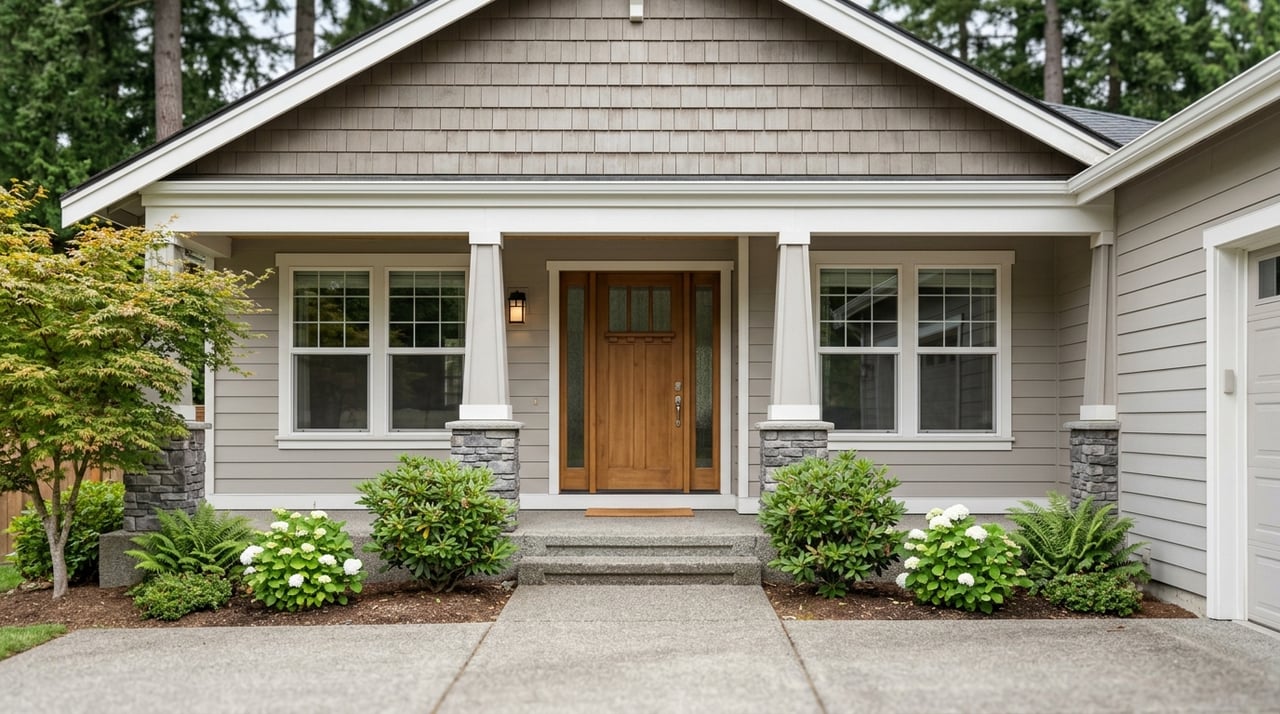
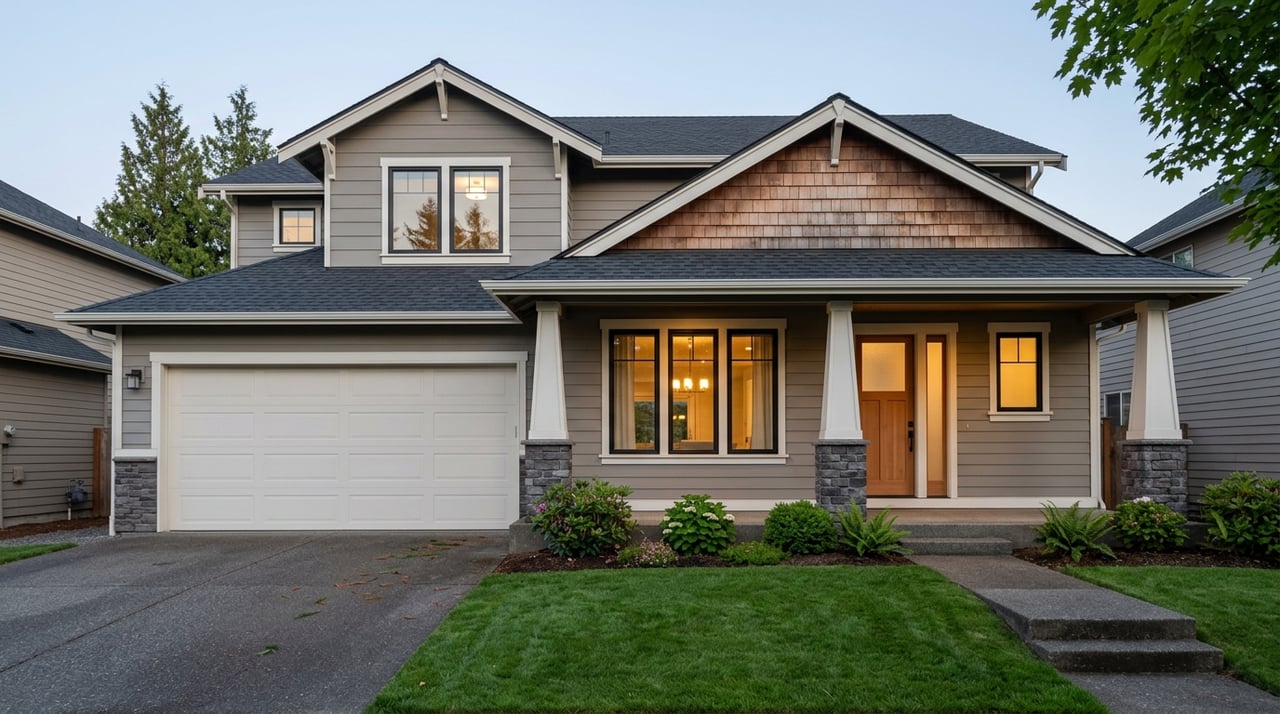
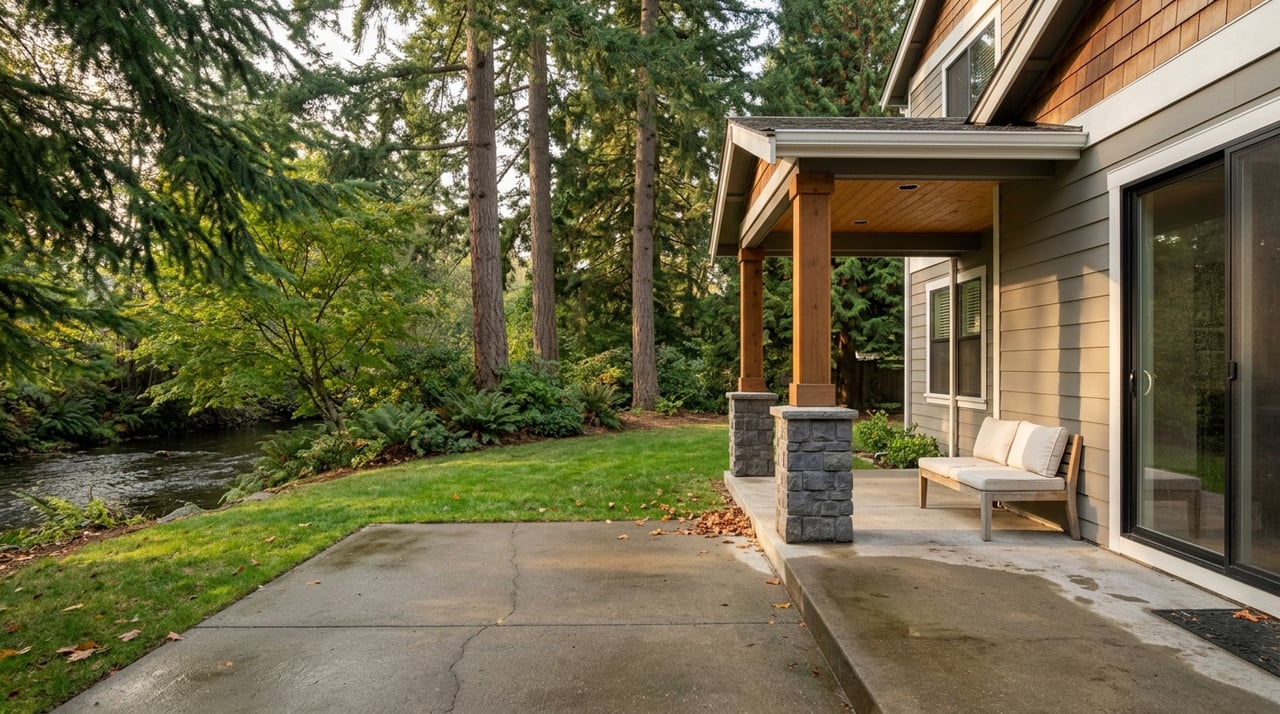
As your trusted real estate professional, Wendy promises to be highly compassionate, collaborative, and reliable during one of life’s most stressful transactions. Work with Wendy today!