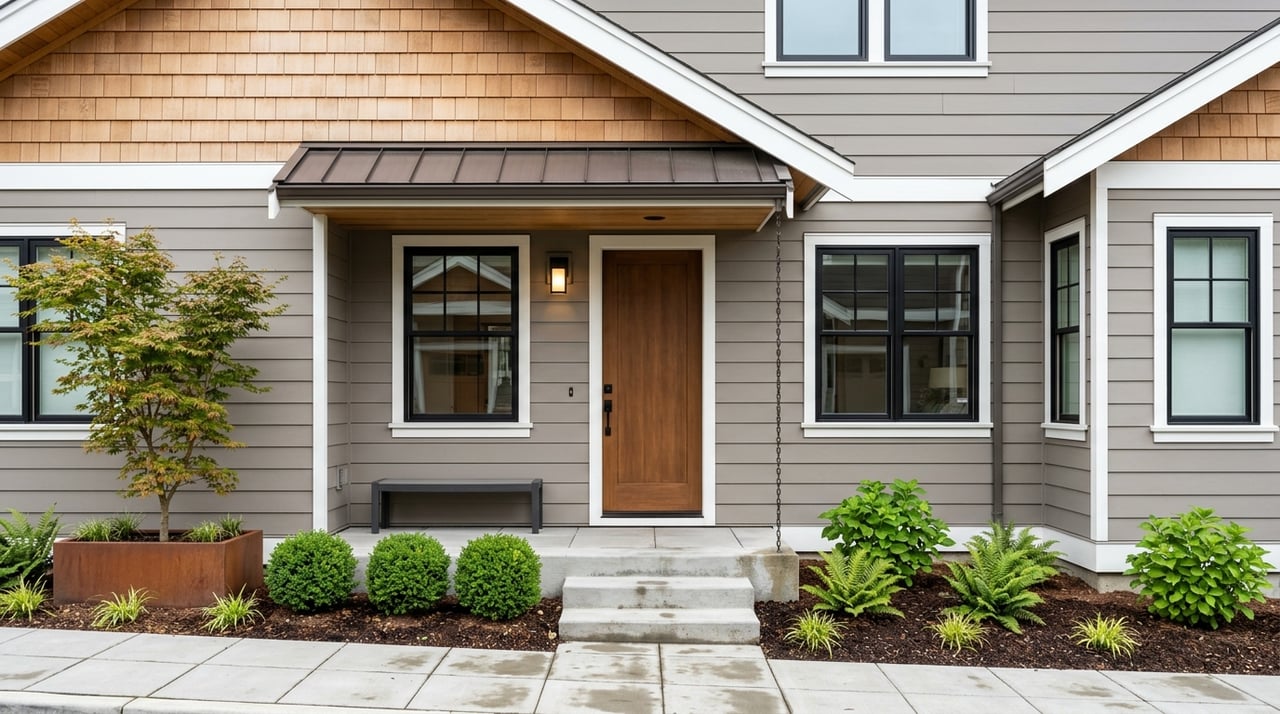
Buying A Low-Maintenance Home Near Olympia’s Historic District
June 25, 2026
June 25, 2026
Wondering if you can enjoy Olympia’s historic charm without signing up for constant house projects? If you love the idea of being near the Historic District but want less yard work, fewer exterior headaches, and easier day-to-day living, you are not alone. The good news is that low-maintenance options do exist near Olympia’s historic core, but the best fit often depends on how much upkeep you want to hand off versus manage yourself. Let’s dive in.
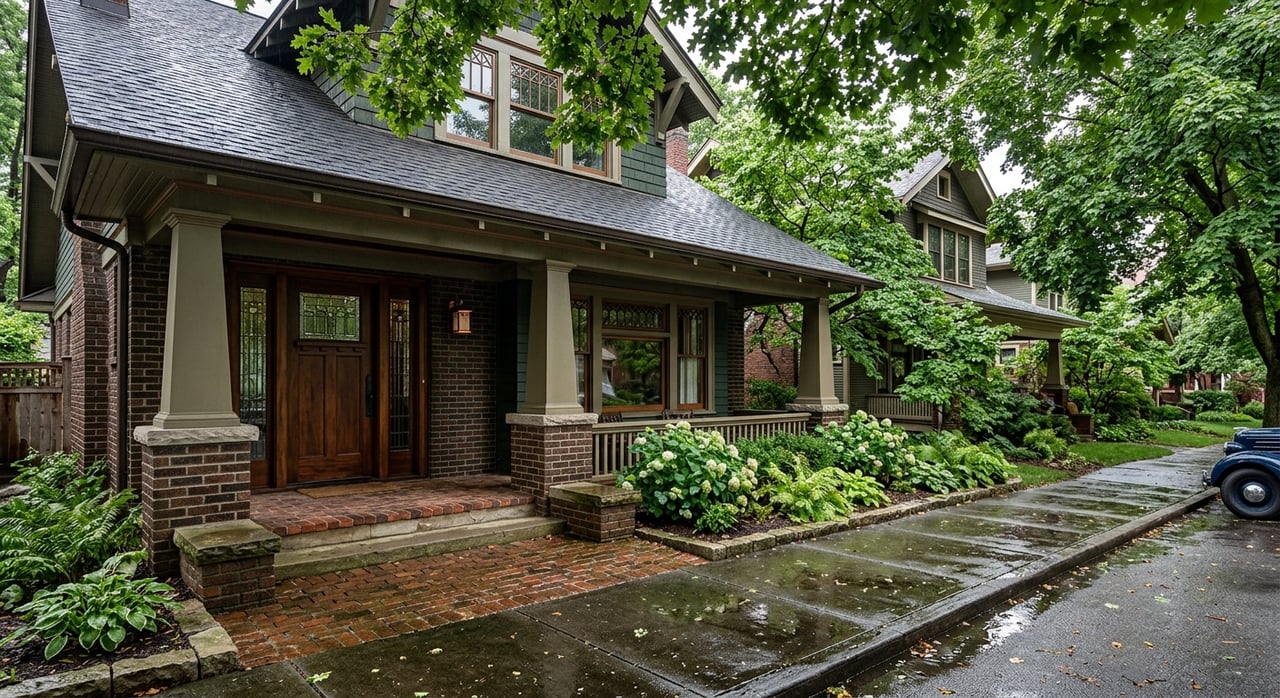
Olympia’s most relevant historic residential area for this conversation is the South Capitol Neighborhood Historic District, just south of downtown and next to the Capitol Campus. It includes more than 440 primary properties and is made up mostly of single-family homes, along with some duplexes, multiple dwellings, offices, a school, and a neighborhood store. The area is known for compact early-20th-century development, tree-shaded streets, sidewalks, parking strips, and mature landscaping.
That setting creates a beautiful sense of place, but it also shapes your housing choices. In the most intact residential blocks, you are more likely to find traditional detached homes than truly lock-and-leave options. If your goal is lower maintenance, condos and some townhome-style properties are more likely to show up in adjacent downtown or mixed-use areas near the historic core.
For many buyers, a condo is the clearest low-maintenance option. In Washington, a condominium is a common-interest community where each unit is a separate parcel of real estate, while common elements are shared under one legal framework.
The practical benefit is simple. The association usually handles much of the shared exterior upkeep and common-area maintenance, which can reduce your day-to-day responsibilities. If you want to spend more time enjoying downtown Olympia and less time thinking about roofs, siding, and grounds, that can be very appealing.
Townhomes can also work well for buyers who want less upkeep than a detached house. In practice, many townhomes are organized as common-interest communities, which often means shared responsibility for certain taxes, insurance, maintenance, or services tied to common elements.
That can mean less yard work and fewer exterior chores. Still, townhomes are not all structured the same way, so it is important to understand exactly what the dues cover and what remains your responsibility before you buy.
A smaller detached home can still be a smart low-maintenance choice if the lot is simple and the exterior systems are manageable. This option can appeal to buyers who want more privacy or fewer shared rules than a condo or townhome might offer.
The tradeoff is that more of the ongoing upkeep stays with you. In Olympia, property owners are responsible for sidewalks next to their property, and older homes in and around the South Capitol area may come with age-related maintenance needs on exterior features and site improvements.
| Home Type | Maintenance Level | Main Advantage | Main Watch-Out |
|---|---|---|---|
| Condo | Lowest day-to-day | Association often handles shared exterior and common areas | Dues, reserves, and possible special assessments |
| Townhome | Moderate to low | Less yard and exterior work than many detached homes | Rules and maintenance split can vary |
| Small detached home | Moderate | More independence and fewer shared-community constraints | More owner responsibility for exterior upkeep |
Low-maintenance living does not mean no maintenance. In many cases, it means shared maintenance through an association. That is why the financial health of the HOA or common-interest community matters just as much as the floor plan or monthly dues.
In Washington, associations can adopt budgets, impose assessments, and regulate maintenance, repair, replacement, and modification of common elements. Reserve-study rules focus on major replacement items like roofing, painting, paving, decks, siding, and windows. If reserves are weak, owners may face special assessments when major work comes due.
This is where many buyers make a costly mistake. A lower monthly fee may look attractive at first, but it is not automatically the better value if the association has underfunded reserves or large projects on the horizon.
Washington requires resale-certificate disclosures for common-interest communities, and these disclosures can give you a much clearer picture of what you are buying into. The resale materials must address items such as assessments, special assessments, reserve-study status, financial statements, operating budgets, insurance, litigation, code-violation notices, rental restrictions, and governing documents.
The association must provide the certificate within 10 days after request. Depending on timing, Washington law also gives purchasers a short cancellation window in certain situations. For a buyer, this creates an important chance to slow down, review the details, and avoid surprises.
These questions may not sound glamorous, but they can tell you a lot about whether a home will truly feel low-maintenance after move-in.
When you buy near Olympia’s Historic District, it helps to understand the difference between historic character and actual review requirements. A National Register listing does not by itself restrict what a private owner may do under federal law. Local laws and ordinances may still apply, which is why you should confirm the status of the specific property you are considering.
In Thurston County, the Historic Commission reviews proposals that would construct, change, alter, remodel, remove, or demolish properties or districts on the county historic register. It also serves as the local review board for special property-tax valuation.
For you as a buyer, this means it is smart to verify whether a home is simply inside a National Register district, is on a local historic register, or is subject to additional local review. That question becomes especially important if you are thinking about exterior work such as replacing windows, changing siding, adding solar panels, building an addition, or making major landscape changes.
If you buy a detached home, more exterior decisions may fall directly to you. With a condo, many exterior choices are already governed by the association, which can simplify day-to-day ownership even if it adds another layer of rules.
That does not mean one option is better for everyone. It simply means your ideal level of control should match your ideal level of responsibility.
For many buyers, low-maintenance living is not just about fewer chores. It is also about gaining time and convenience. Olympia’s planning direction emphasizes Downtown, historic preservation, and destinations within walking distance of many residences.
That can support a practical car-light lifestyle for buyers who want to stay active and connected without taking on a large property. Intercity Transit operates the downtown Olympia Transit Center, and the Olympia Farmers Market at 700 Capitol Way N is described by the market as a short 10-minute walk from the transit center.
If you are downsizing or balancing a busy work schedule, that mix can be a real benefit. You may be able to trade some exterior maintenance for easier access to errands, transit, and downtown activity.
If your top priority is the least exterior responsibility possible, a condo near downtown Olympia may be your best starting point. If you want a bit more space and a more residential feel, a townhome may offer a balanced middle ground.
If historic charm matters most and you are comfortable taking on more ownership tasks, a smaller detached home near the South Capitol area could still work well. The key is to look beyond the listing photos and think carefully about who handles the roof, the siding, the landscaping, the sidewalks, and the long-term repair bills.
A calm, well-informed buying process can make a big difference here. When you match your lifestyle goals with the right ownership structure, you are much more likely to find a home that feels both manageable and rewarding.
If you are looking for clear, steady guidance as you weigh low-maintenance homes near Olympia’s historic core, Wendy Bremer can help you think through the details, compare options, and move forward with confidence.
Stay up to date on the latest real estate trends.
As your trusted real estate professional, Wendy promises to be highly compassionate, collaborative, and reliable during one of life’s most stressful transactions. Work with Wendy today!