Staging A Historic Olympia Home For Today’s Buyers
July 2, 2026
July 2, 2026
If you are selling a historic Olympia home, staging is not about making it look like every other listing. Today’s buyers want clean, bright, photo-ready spaces, but they also respond to the original character that makes an older home feel special. When you strike that balance well, you help buyers picture everyday life there while still appreciating the home’s story. Let’s dive in.
In Olympia, historic character is part of the city’s identity. The city highlights its buildings, landscapes, and historic districts through preservation resources, walking tours, and property research tools, which shows how visible and valued these places are in the community.
That context matters when you prepare your home for sale. Buyers in areas like the South Capitol Neighborhood Historic District are often responding to more than finishes and floor plans. They are also noticing architecture, streetscape, mature landscaping, and the overall sense of place.
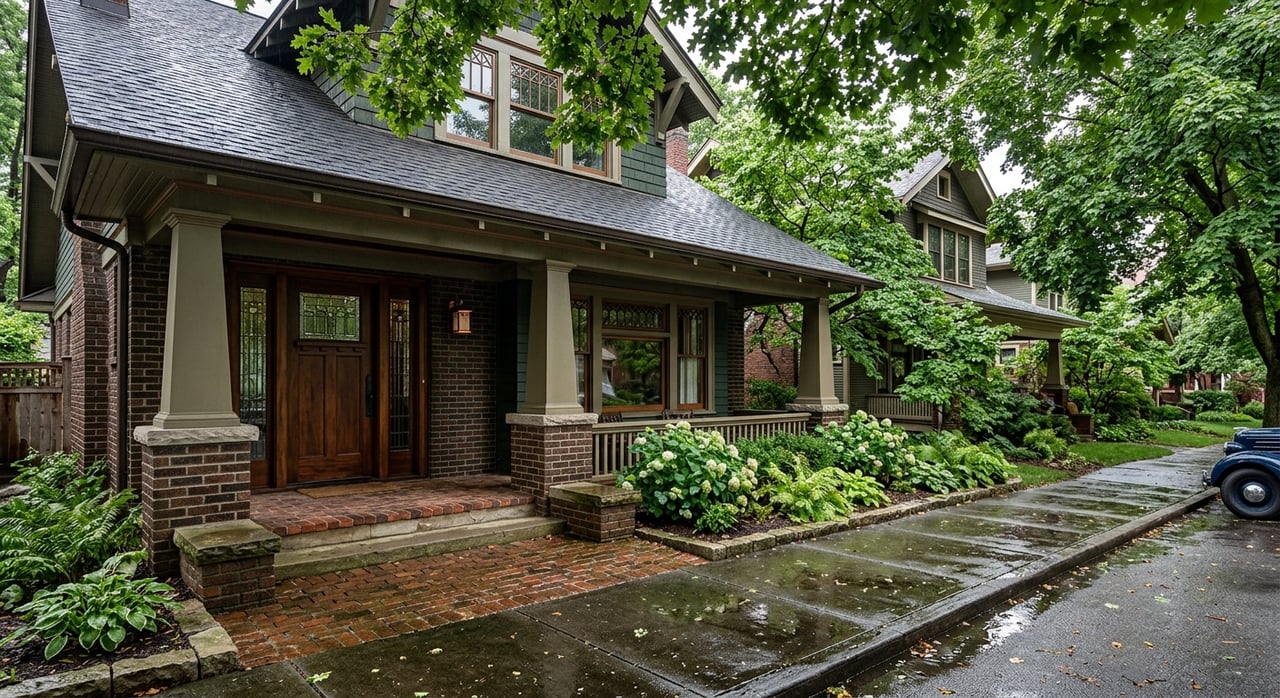
The South Capitol district is known for its concentration of single-family homes, especially Craftsman/Bungalow and Period Revival styles. It also stands out for retaining its general character, plan, and landscaping. In other words, your home’s appeal is tied to both the house itself and how it fits into the larger setting.
The goal of staging a historic home is simple: help buyers see themselves living there without covering up what makes the property distinctive. That means editing the space, clarifying each room’s purpose, and drawing attention to original details instead of distracting from them.
Current staging research supports that approach. Buyers’ agents say staging helps buyers visualize a property as a future home, and buyers also place real importance on polished listing photos, physical staging, videos, and virtual tours.
That is especially important with older homes. Historic houses often make a strong emotional impression online, but only if the presentation feels clean, intentional, and easy to read in photos.
Not every room needs the same level of attention. According to recent staging research, the spaces buyers care about most are the living room, primary bedroom, and kitchen. Sellers also commonly focus on the dining room.
If you are working within a budget or a tight timeline, start there. In a historic Olympia home, those rooms usually offer the best mix of emotional appeal and architectural detail.
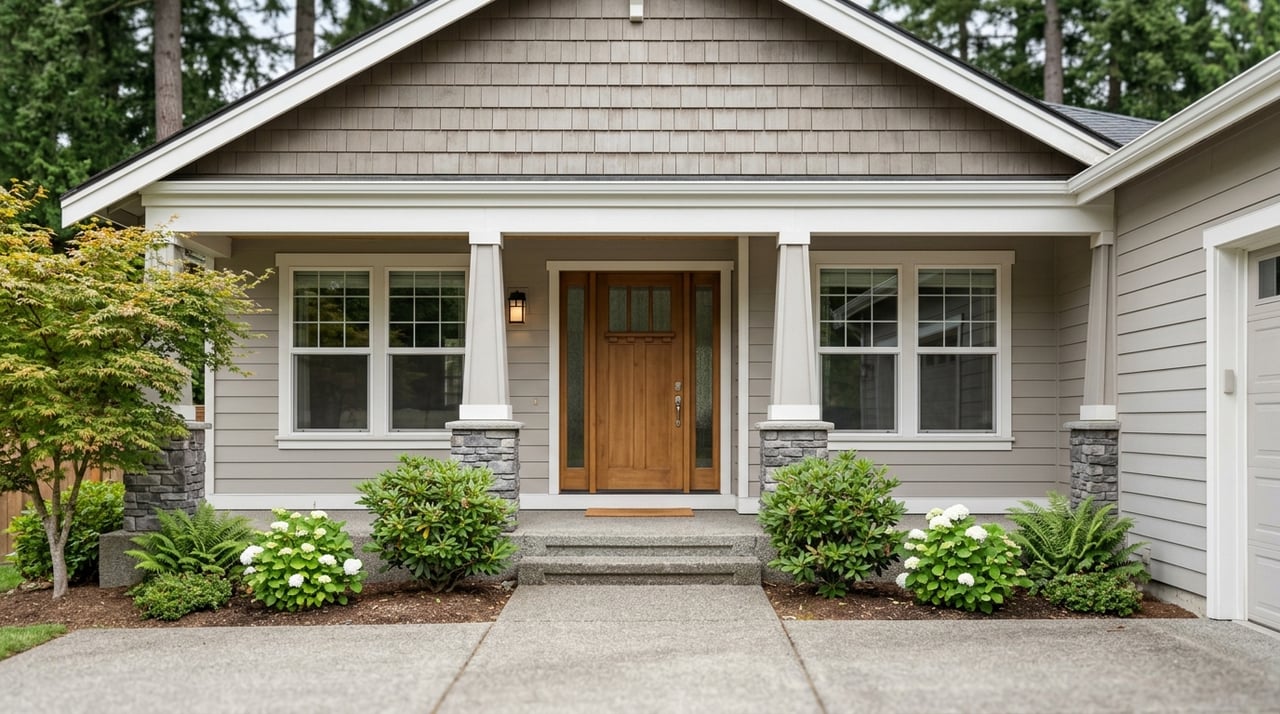
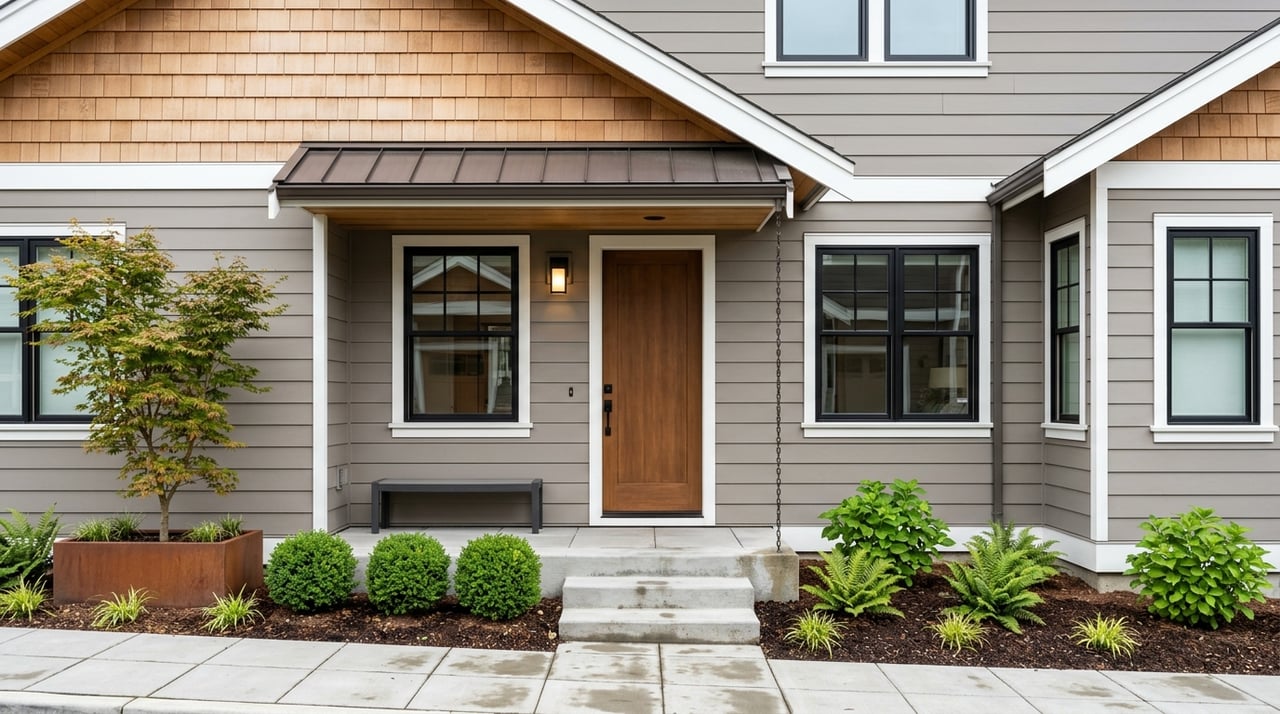
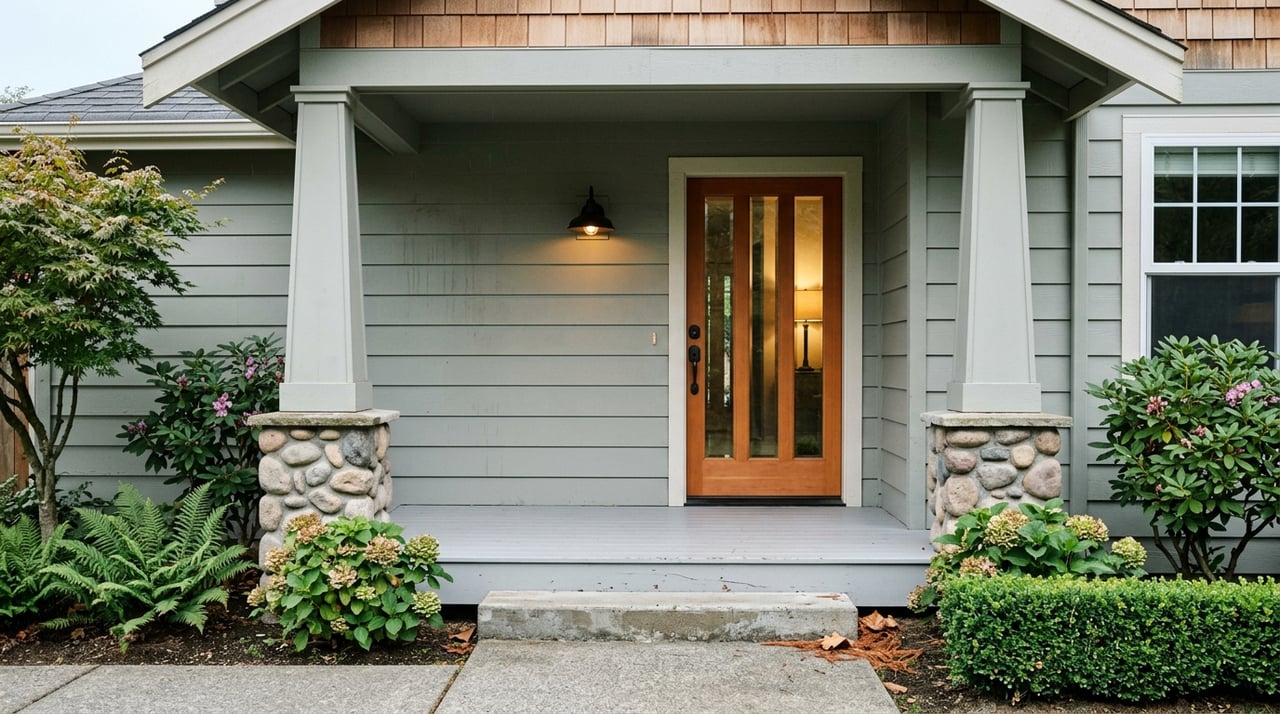
Before buyers step inside, they are already forming an opinion. In a historic district, curb appeal does more than create a good first impression. It also frames the home’s authenticity and care.
Focus on the basics that help the original façade stand out:
The goal is not to modernize the exterior. It is to make the home look well maintained and welcoming.
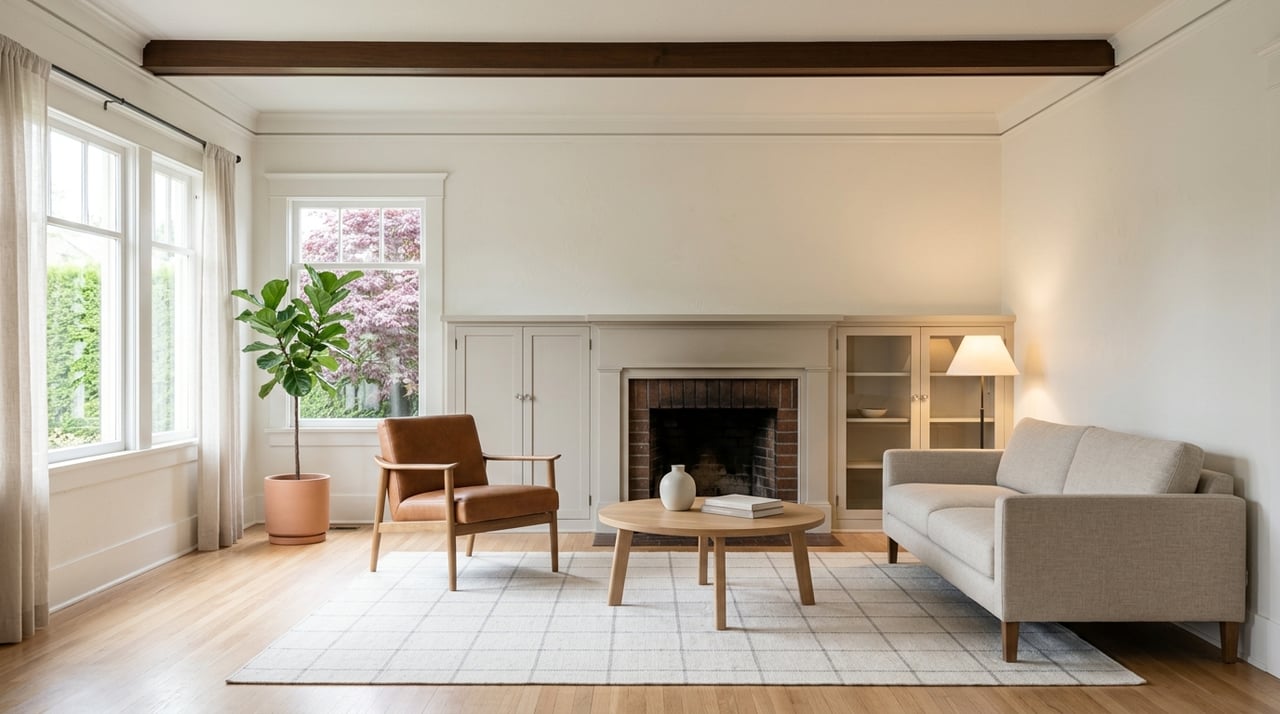
The living room is the most important room to stage, and in many historic homes, it carries the strongest architectural features. Think fireplace surrounds, built-ins, wood floors, trim, tall windows, or wide cased openings.
Use fewer pieces of furniture, and make sure each one is scaled appropriately. When the room feels open, buyers can better appreciate the home’s original bones rather than feeling distracted by crowded seating or oversized decor.
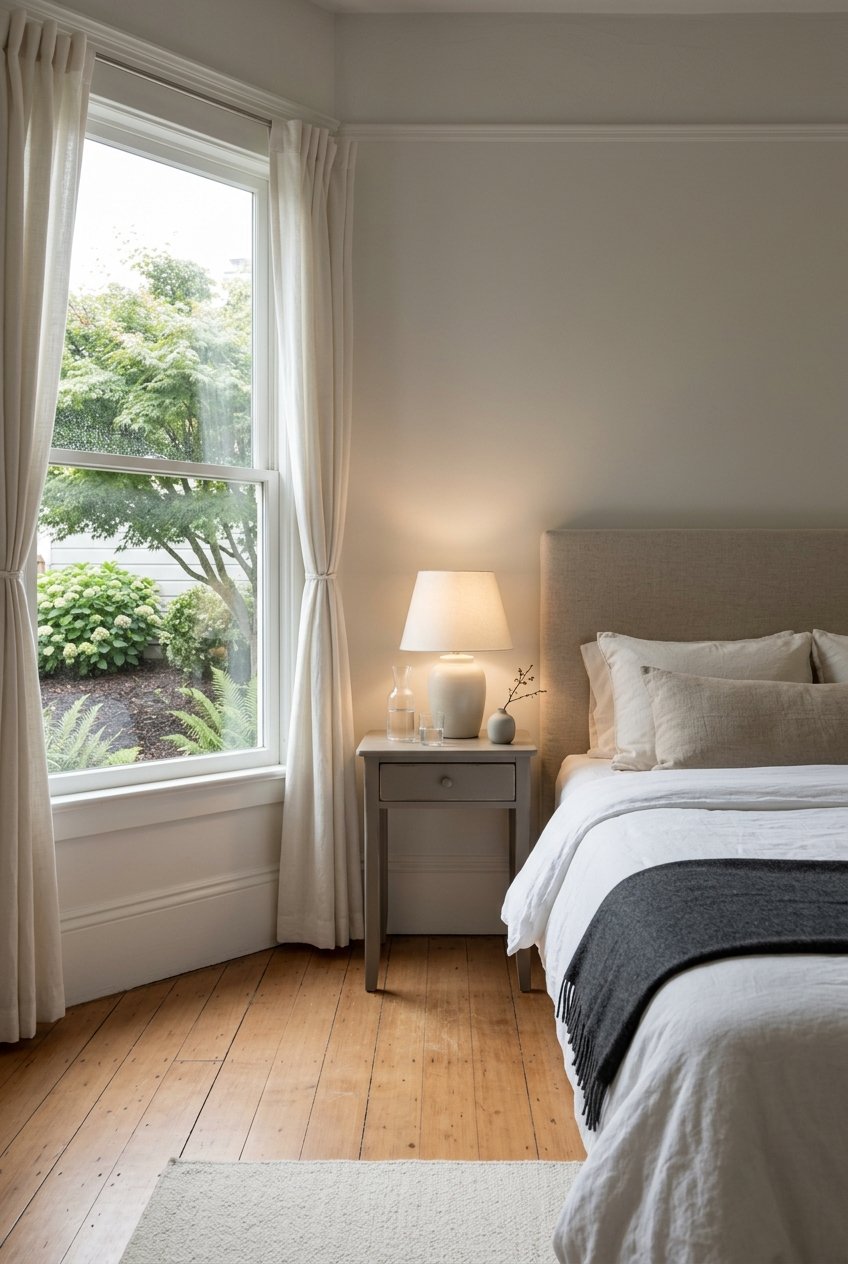
The primary bedroom ranks high because buyers want to picture comfort and daily life. In a historic home, that often means letting natural light, trim, and window proportions do the heavy lifting.
Simple bedding, a calm color palette, and minimal accessories usually work best. You want the room to feel restful and move-in ready, not overstyled.
Kitchens matter in every home, but in historic properties, they can be especially sensitive spaces. Buyers notice whether the room feels functional and cared for, but they also notice original cabinetry, trim, or built-ins when those features are still present.
The best staging choices are usually simple:
A clean, restrained kitchen lets buyers focus on the space itself instead of visual clutter.
Historic homes often include rooms with smaller footprints or layouts that feel less obvious to modern buyers. That is where clear staging matters most.
If you have a dining room, make it read clearly as a dining room. If you have a den, office, or guest room, choose one function and stage it accordingly. One clearly defined room almost always shows better than a space trying to do three jobs at once.
The most common mistake with an older home is trying too hard to create a "historic" look. Your home already has that character. You do not need to pile on antique-style accessories, heavy drapery, or dark furniture to prove the point.
In fact, that approach often backfires. Too much furniture or themed decor can make rooms feel smaller and hide the details buyers actually want to see.
Preservation guidance in Washington also reinforces the value of protecting a historic property’s distinctive qualities. In practical terms, that means staging should support the home’s original features, not compete with them.
Another common mistake is skipping the basics. Decluttering, deep cleaning, and general curb appeal remain some of the most common and important pre-listing recommendations. Even a beautiful historic home can feel tired if surfaces are crowded or maintenance details are overlooked.
For most historic Olympia homes, the right strategy is thoughtful editing. You are not trying to erase age. You are trying to present it clearly.
That usually means:
This approach tends to work especially well in neighborhoods where the historic setting contributes to value. Buyers can take in both the home and its context without visual noise getting in the way.
Most staging is cosmetic, and that is where sellers should stay focused before listing. If ideas start shifting from styling into repairs, replacement, or renovation, it is smart to slow down.
Olympia provides resources for researching and caring for historic properties, and Thurston County notes that historic-property tax relief and special valuation involve local review processes. Washington’s special-valuation rules also note that changes affecting historic character may require review or prior approval.
So if your home is protected or part of a special valuation program, check before starting more permanent work. Cosmetic staging is usually straightforward. Bigger visible changes deserve a closer look first.
If you want a practical way to prepare your historic Olympia home, use this order:
This kind of plan keeps the process manageable. It also helps you focus your time on the areas buyers are most likely to notice in person and online.
A well-staged historic home should feel polished, honest, and easy to imagine living in. When buyers can see both the comfort of modern life and the charm that has lasted for decades, your home is more likely to leave a lasting impression.
If you are getting ready to sell and want a calm, thoughtful plan for preparing your home, Wendy Bremer offers a free home valuation and staging consultation.
Stay up to date on the latest real estate trends.
As your trusted real estate professional, Wendy promises to be highly compassionate, collaborative, and reliable during one of life’s most stressful transactions. Work with Wendy today!