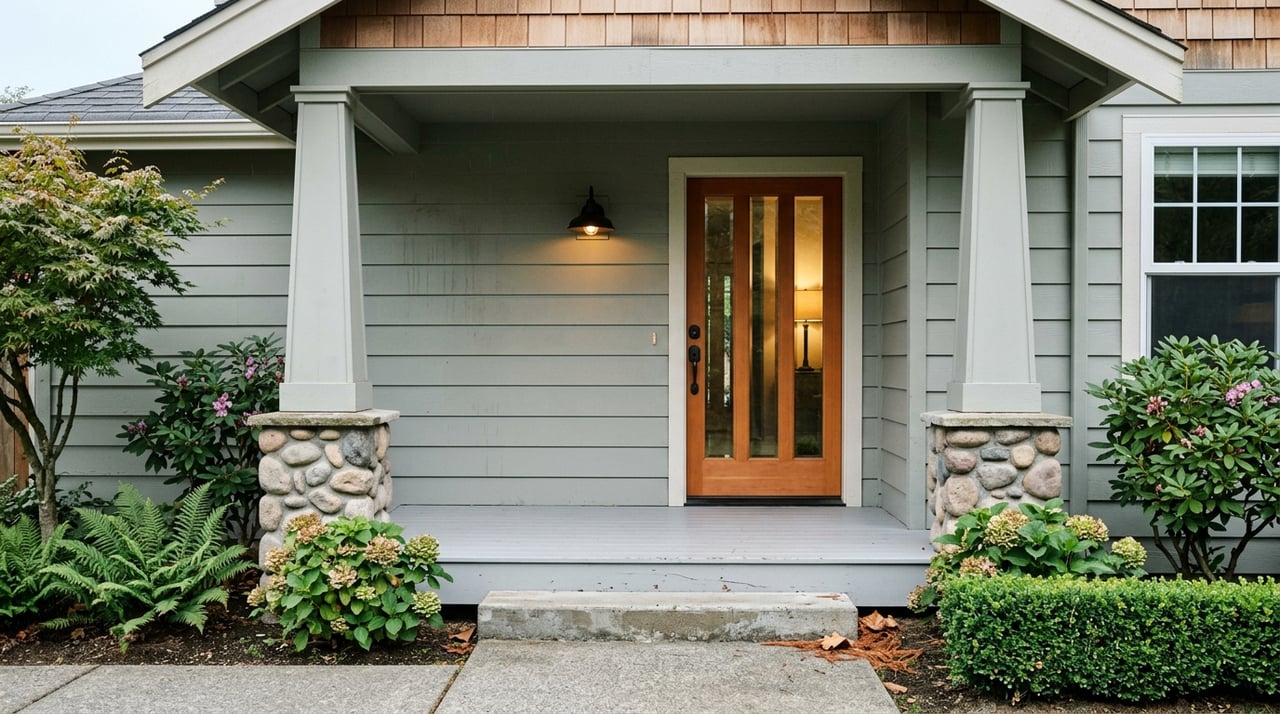
Updating A Historic Olympia Home Without Losing Charm
June 18, 2026
June 18, 2026
Thinking about updating a historic Olympia home can feel like a balancing act. You want better comfort, safer systems, and a layout that works for daily life, but you do not want to strip away the details that made you fall in love with the home in the first place. The good news is that you can modernize thoughtfully, protect the character that matters, and avoid costly missteps if you plan in the right order. Let’s dive in.
Before you choose paint colors, new windows, or a kitchen layout, confirm how your home is classified. In Olympia, preservation review can affect the path for older homes in locally designated historic settings, and both individual property status and district status can matter.
A smart first step is checking the property’s status through Washington’s Wisaard database from the Department of Archaeology and Historic Preservation. If your home is on the Olympia Heritage Register or is a contributing property in a historic district, exterior changes may face added review.
Olympia has active heritage and design review bodies, including a Heritage Commission and a Design Review Board. That means historic updates are not just about style preferences. They can also involve a formal review process, especially for major exterior work.
For Olympia Heritage Register properties, the city’s review checklist says proposed work should not detrimentally alter, destroy, or adversely affect exterior features tied to the designation. The city also uses the Secretary of the Interior’s Standards for the Treatment of Historic Properties to guide review.
If your home is a contributing property in a historic district, that status can still matter in a big way. City staff records show Heritage Review Committee involvement before demolition permit issuance for contributing properties, which is a helpful reminder that district context can influence project approvals.
When you own a historic home, it is tempting to start with the fun parts like tile, lighting, or a fresh kitchen design. In most cases, the better path is to stabilize the home first and save the cosmetic work for later.
The most practical order is usually:
This approach fits the rehabilitation framework used by the National Park Service, which focuses on making a historic property usable while preserving the materials and features that convey its historic value. In simple terms, when water, heat, and power are handled first, you can protect the house before investing in visible updates.
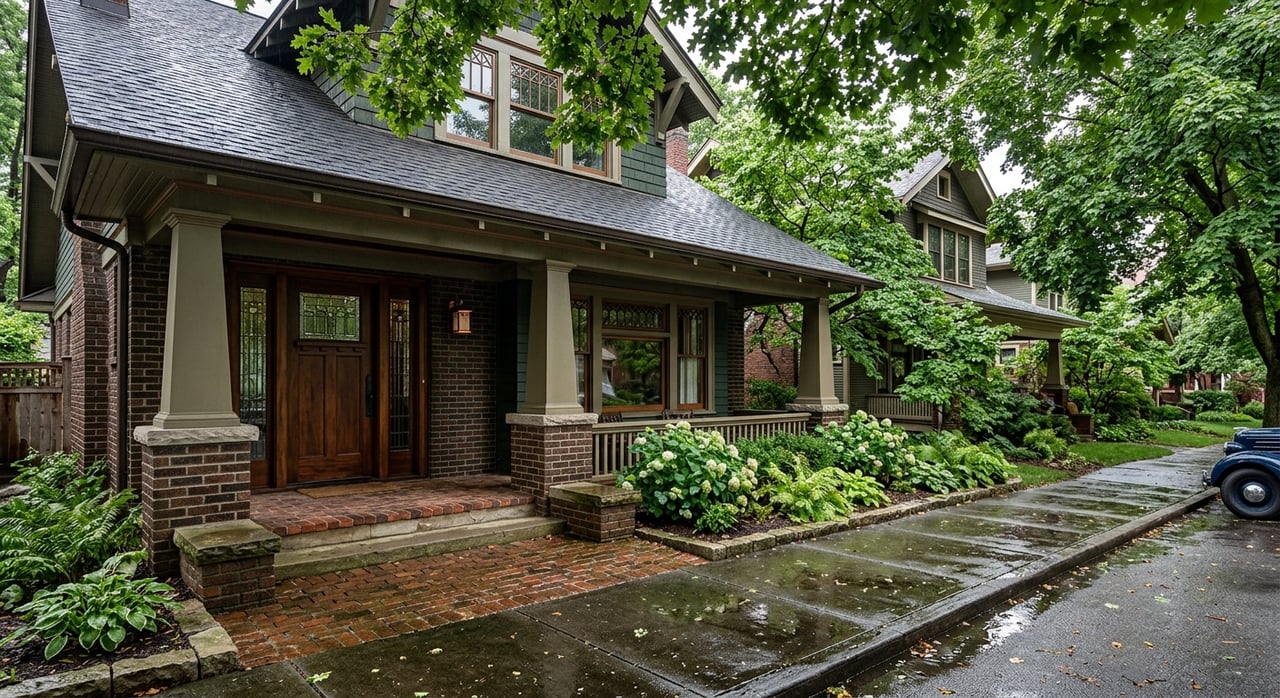
Historic charm usually lives in the details you see every day. Original trim, doors, stair parts, built-ins, porch elements, window openings, and room relationships often carry much of the home’s character.
That is why preservation guidance generally treats these features as assets, not obstacles. If you can repair rather than replace, that is often the strongest path for preserving the look and feel of the home.
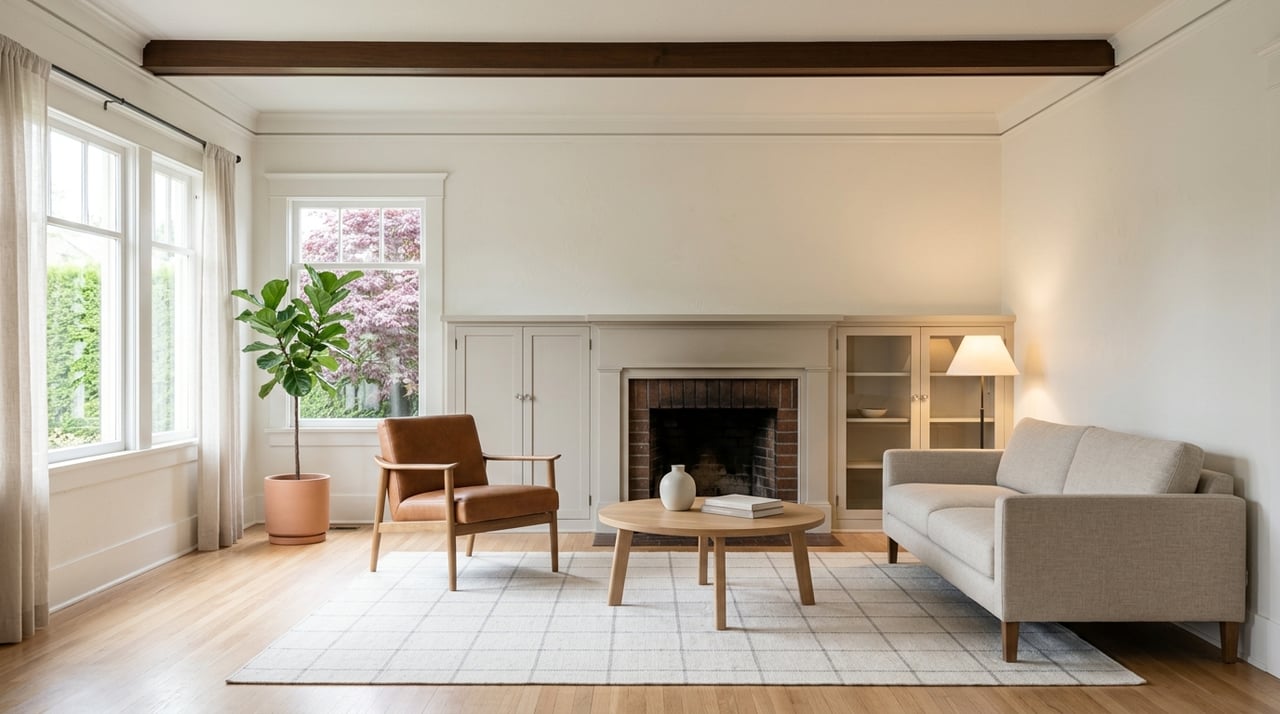
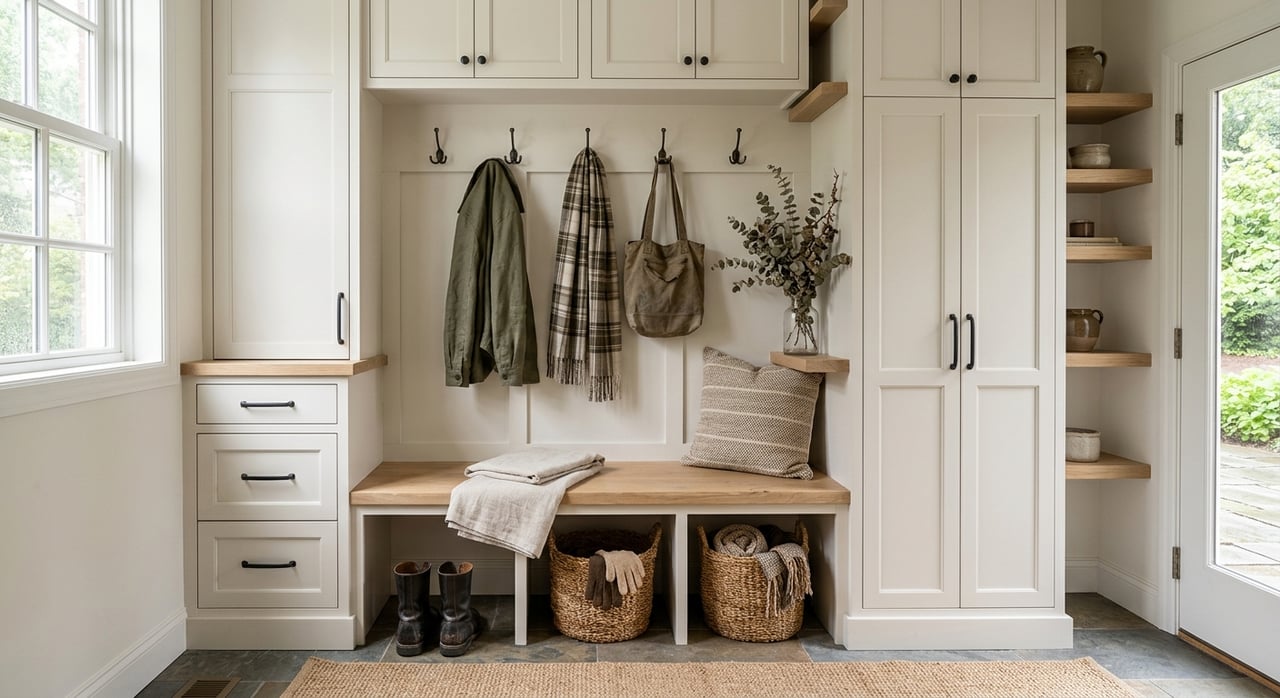
Old woodwork, plaster details, and built-in storage can give a home a sense of craftsmanship that is hard to recreate. Even when the finish looks tired, the underlying material may still be worth saving.
For many homeowners, this means choosing restoration where it counts and using updates in less visible areas to improve comfort. A modern electrical panel or improved insulation can make daily life easier without changing the home’s personality.
Windows are one of the most noticeable parts of a historic exterior. Preservation guidance emphasizes repair first and replacement second, especially when original materials or profiles help define the home’s appearance.
If replacement becomes necessary because of major deterioration, compatible substitutes may be allowed. What tends to cause the biggest loss of character is changing the size of openings or switching to visibly incompatible profiles.
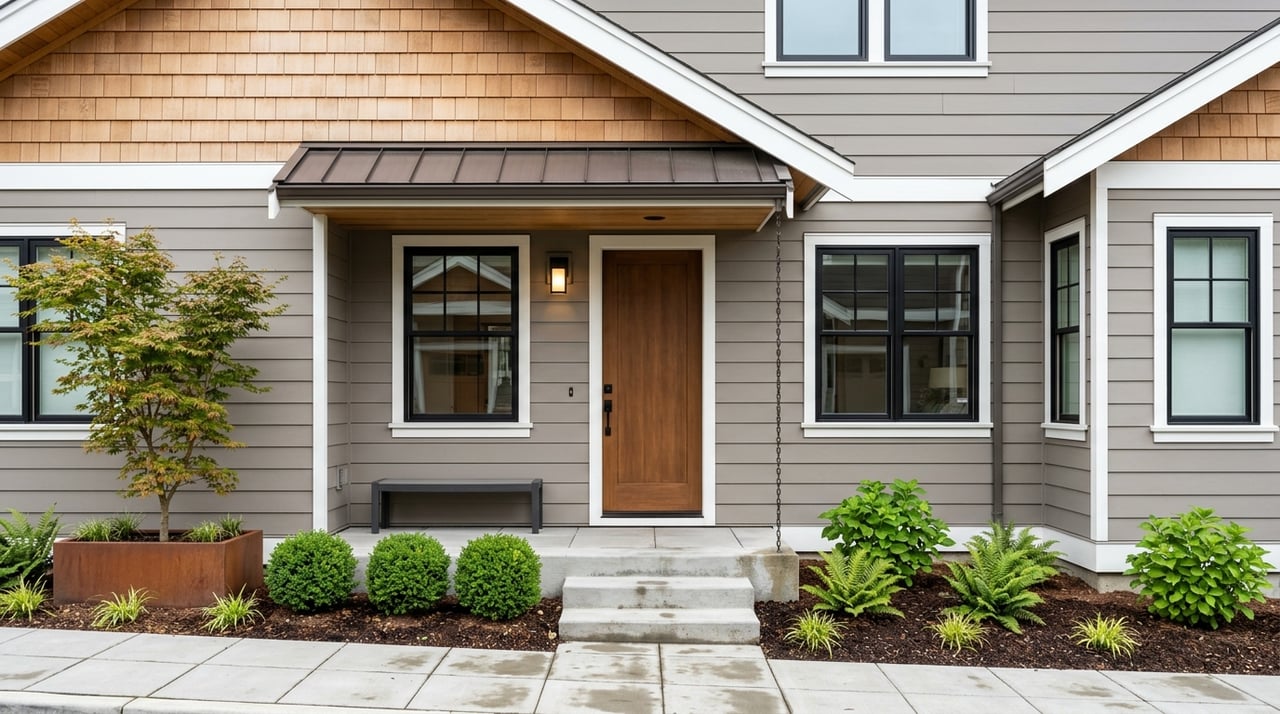
Siding changes can reshape the whole exterior. Like windows, siding should usually be repaired before replacement is considered, especially when original materials still contribute to the home’s historic look.
Even small profile differences can have a big visual impact. If you are planning exterior work in Olympia’s historic context, careful product choices matter.
Historic remodels often come with hidden layers, and that includes permits and safety rules. In Washington, most electrical work requires a permit and inspection, and the permit must be obtained before work begins.
Plumbing also has its own rules. Washington states that only L&I-certified plumbers may legally perform plumbing work on someone else’s property, so contractor selection matters from the start.
If your home was built before 1978, lead safety should also be part of your plan. Renovation, repair, and painting that disturb older painted surfaces can create dangerous lead dust, especially around windows, trim, and other high-contact areas.
A larger remodel may also bring energy code requirements into play. The Washington State Energy Code is part of the state building code, and it applies to Level 2 alterations to existing buildings.
Olympia’s building electrification materials also note that the state energy code applies to major renovations of existing buildings. That does not mean every update becomes a full-house overhaul, but it does mean bigger projects can affect insulation, mechanical systems, and other performance-related decisions.
One of the biggest mistakes in historic remodeling is underestimating hidden work. Once walls, crawlspaces, or exterior materials are opened, you may discover outdated wiring, moisture damage, plumbing issues, or framing concerns.
That is one reason systems-first planning is so important. It helps you direct your budget toward the upgrades that protect the home and support everyday use, rather than spending heavily on finishes before the core issues are handled.
If you are planning a substantial rehabilitation, there may be a tax-related benefit worth exploring. Washington’s special valuation program can exclude qualified rehabilitation costs from assessed value for ten years when certain requirements are met.
According to the Department of Archaeology and Historic Preservation, qualified rehabilitation costs must equal at least 25 percent of the building’s assessed value within 24 months. In Olympia, the local review board must approve the application, and the work must not adversely affect historically significant elements.
This will not apply to every project, but for larger rehabs it can be a meaningful factor in your planning. It is another reason to organize your scope, photos, and contractor plan before work starts.
Historic homes rarely reward guesswork. For visible changes, the National Park Service recommends case-by-case decisions with qualified preservation professionals, such as architects, architectural historians, historians, and archaeologists.
For homeowners, that often means talking with a preservation-savvy architect or designer when planning exterior changes. If the project includes settlement, framing concerns, or additions, a structural engineer or experienced old-house contractor may also be important.
A simple checklist can keep the project focused and lower stress:
This kind of step-by-step planning fits well with older homes. It also helps you make decisions that support both the house and your budget.
The best historic updates usually do not shout for attention. They make the home work better while keeping the original form, materials, and significant spaces at the center of the design.
That can mean restoring a front porch instead of enclosing it, preserving original doors instead of replacing them, or improving comfort through insulation and air sealing rather than changing visible details. When you approach the project this way, the home keeps its story while becoming easier to live in.
If you are weighing whether to update before selling, or trying to decide which improvements are worth the effort, a steady plan can make all the difference. For thoughtful guidance on preparing a home for the market, including presentation strategy and staging insight, connect with Wendy Bremer.
Stay up to date on the latest real estate trends.
As your trusted real estate professional, Wendy promises to be highly compassionate, collaborative, and reliable during one of life’s most stressful transactions. Work with Wendy today!