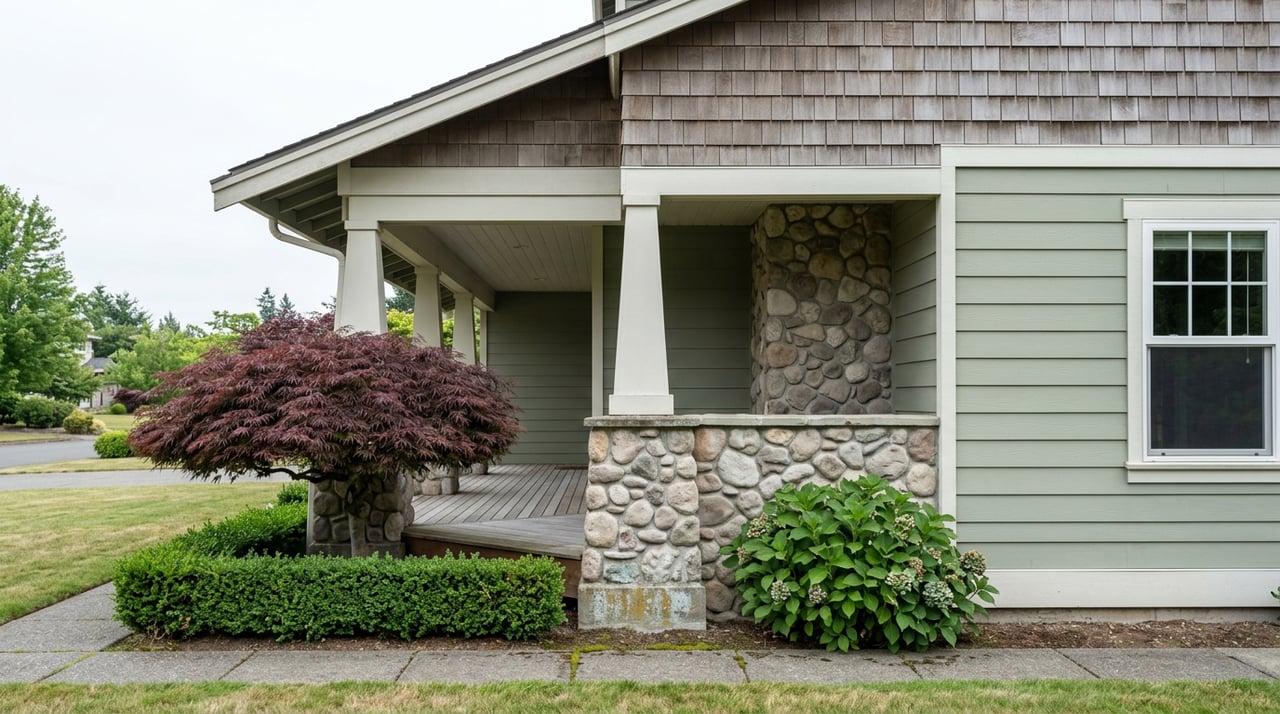
Why That Weekend Curb-Appeal Project Could Cost a Historic Snohomish Seller Two Months
September 24, 2026
September 24, 2026
A seller in Snohomish's Historic District calls a contractor, gets a bid to swap out the home's original single-pane windows, and pencils it in for the weekend before the listing photos go up. It sounds like the kind of small, sensible fix that makes a house show better. Then the contractor mentions the words "design review," and the timeline that seemed like a weekend project turns into a conversation with City Hall.
That gap between what a seller assumes and what the city actually requires is the real friction in prepping a historic Snohomish home for sale. It isn't that design review exists. Most owners in the district have heard that phrase before. The friction is that the specific fixes sellers reach for first, new windows, a quick re-side, closing in a drafty porch, are often the exact projects the city's own design standards restrict or discourage. And the Design Review Board that decides whether you can do them meets once a month.
Not every property with a Snohomish mailing address sits inside the Historic District, and not every project inside the district needs a hearing. The City of Snohomish's building permit FAQ is specific about the boundary: any work in the Historic District other than an interior remodel requires additional design approval from the Design Review Board, which reviews for compatibility with the historic architecture of the city. Interior work like new flooring, kitchen updates, or bathroom remodels doesn't trigger a hearing. Anything visible from the street usually does.
That distinction matters for staging strategy. A seller who wants to modernize a kitchen before listing can generally move on that timeline without a design hearing. A seller who wants to touch the porch, the siding, the windows, or add a fence needs to build the board's calendar into the listing plan first.
The Design Review Board meets on the second Wednesday of the month, and meetings are open to the public with a Zoom option for remote attendance. Submittals typically require detailed elevations with materials identified, and in some cases color renderings or manufacturer specifications for the proposed work.
That monthly cadence is the part sellers underestimate.
This is the part that catches people off guard. The projects that feel like obvious, low-risk curb-appeal moves in any other Snohomish neighborhood are frequently the ones the City of Snohomish's draft Residential Alteration Standards either restrict or actively discourage inside the Historic District:
None of this means a historic home can't be freshened up before listing. It means the fastest path to a sale-ready exterior in this district usually runs through repair and restoration of what's already there, not replacement with something faster or cheaper. That's a different renovation plan than most sellers start with, and it's worth knowing before a contractor bid gets accepted.
If your home sits in the Historic District and any part of your prep list touches the exterior, the sequence that protects your timeline looks different from a standard listing plan:
The city's Historic District overview describes a district built around mature trees, alleys, and pedestrian-scaled blocks north of the commercial core along the river, the same character that makes these homes desirable to buyers in the first place. The tradeoff for that character is a slower, more deliberate approval process for anything that changes the way the house looks from the street.
Does design review cost anything? The review itself doesn't carry an additional fee beyond what's already part of your permit process, though you'll need to prepare the submittal materials the board requires.
Can I skip design review if I'm only making a small change? Any exterior alteration, new construction, signage, or fence work inside the district goes through the process, regardless of scale. There isn't a minor-project exception in the standards.
What if my home isn't actually inside the Historic District boundary? Plenty of Snohomish addresses sit outside the district or even outside city limits entirely, even when the mailing address says Snohomish. Confirming your parcel's actual status with city planning staff before you plan any exterior work saves you from either an unnecessary hearing or an unpleasant surprise.
Who do I talk to about scheduling a submittal? The city's design review page lists current planning staff contacts and the agenda center where upcoming meeting dates and topics are posted.
Prepping a historic Snohomish home for sale rewards the sellers who plan the exterior work first and the cosmetic touches second, not the other way around. That's precisely the kind of sequencing a complimentary staging and styling consultation is meant to catch early, before a contractor bid gets accepted for a project the board is likely to send back.
If you're weighing what to fix, what to leave, and how it all fits your target list date, Wendy Bremer can walk your home in person and map the plan against the city's actual calendar. Request a free home valuation and staging consultation to start that conversation before the next second Wednesday comes and goes.
This article is general information, not legal, tax or financial advice. Consult a qualified professional about your situation.
Stay up to date on the latest real estate trends.
As your trusted real estate professional, Wendy promises to be highly compassionate, collaborative, and reliable during one of life’s most stressful transactions. Work with Wendy today!