Low-Stress Guide To Selling In Olympia’s Historic District
May 21, 2026
May 21, 2026
Selling a historic home can feel like a balancing act. You want to honor what makes your property special, avoid unnecessary surprises, and still get it ready for the market with confidence. If you are planning to sell in Olympia’s Historic District, a calm, well-organized approach can help you protect the home’s character, stay ahead of local review issues, and create a smoother listing experience. Let’s dive in.
In Olympia, the South Capitol Neighborhood Historic District is a key point of reference for historic-home sellers. It sits just south of downtown and next to the Capitol Campus, with more than 440 primary properties that include mostly single-family homes along with churches, open space, a school, and a neighborhood store. The area is known for mature street landscaping and a wide range of architectural styles, including Queen Anne, Craftsman, Foursquare, English Revival, and Mission/Spanish Colonial Revival.
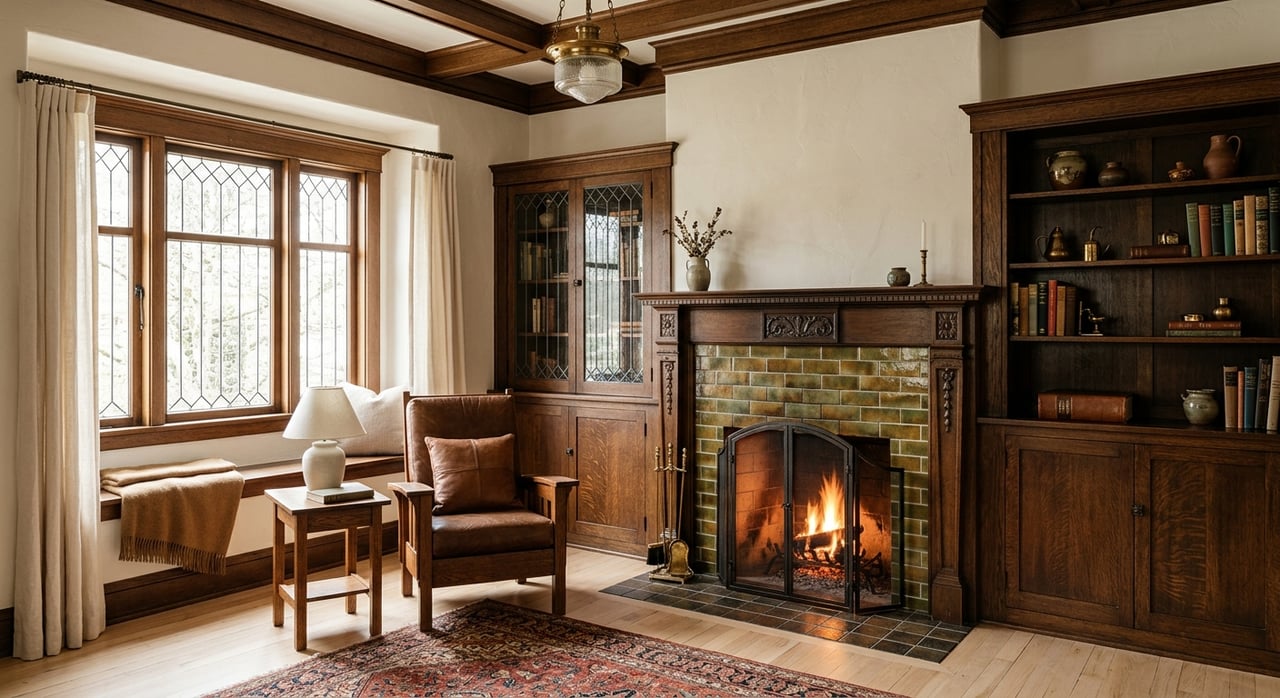
That setting shapes how buyers see your home. In a historic district, original details are often part of the value story, not just decorative extras. Features like porches, original windows, trim, built-ins, woodwork, and the home’s placement on the lot all help tell the story of the property.
If your goal is a low-stress sale, think preservation first and renovation second. The most effective prep for a historic home is usually not about making it look brand new. It is about making the home’s original character clear, clean, and easy for buyers to appreciate.
A strong pre-listing plan often includes:
This approach fits historic properties well because the appeal often comes from intact architectural character. Buyers looking at these homes are not always searching for a generic remodel. Many are drawn to authenticity and the feeling of a home that has been cared for over time.
One of the biggest ways to reduce stress is to understand early which projects may affect your timeline. Olympia’s preservation code says that buildings on the Heritage Register or within a Historic District cannot be constructed, reconstructed, altered, restored, remodeled, repaired, or demolished without review. At the same time, ordinary repair and maintenance, including painting, are exempt.
That distinction matters. If you are considering exterior updates before listing, do not assume they will fit a standard remodel timeline. Projects like window replacement, siding changes, porch alterations, additions, or demolition-related work can trigger review.
The city code also states that when applications are made for alterations or construction in a historic district, the Building Official must notify the Preservation Officer. The permit cannot be issued until review and recommendations are complete. In plain terms, if your listing timeline is tight, it is smart to check first before starting exterior work.
For many sellers, the good news is that basic upkeep may still move forward without the same level of review. Olympia’s code treats ordinary repair and maintenance, including painting, differently from larger alterations. That can make cosmetic refreshes a more practical pre-listing option when time matters.
If you are deciding where to focus, simple improvements may create the most peace of mind, such as:
These smaller steps can improve first impressions without creating unnecessary delays.
Historic homes tend to generate more buyer questions, so documentation matters. A well-prepared seller can make the transaction feel more predictable by gathering records before the home hits the market. This helps reduce back-and-forth once buyers begin asking about updates, approvals, and maintenance.
Useful items to collect include:
If your home was built before 1978, there is another key step. Federal lead disclosure rules generally require sellers of most pre-1978 housing to disclose any known lead-based paint or lead hazards before the contract is signed and provide the approved lead-hazard pamphlet. Buyers must also receive a 10-day opportunity to test unless they waive it. For older homes, this is a routine but important part of getting ready.
Historic homes usually show best when staging supports the architecture instead of competing with it. You do not need to over-style every room or make the house feel trendy. The goal is to help buyers understand room size, flow, and function while keeping the home’s original personality front and center.
This is where a calm, intentional plan really helps. Complimentary staging and styling can be especially valuable in a historic property because it brings out the home’s best features without pushing it into a look that feels inauthentic.
According to the National Association of Realtors’ 2025 staging research, 29% of agents said staging led to a 1% to 10% increase in the dollar value offered, and 49% said staging reduced time on market. For sellers, that supports a simple idea: thoughtful presentation can help buyers connect with the home more quickly.
As you prepare each space, think about what makes the house memorable. In historic homes, buyers often respond to details that would be easy to miss in a cluttered or overly modernized room. Good staging helps those features read clearly.
Try to draw attention to elements like:
When buyers can easily notice these features, the home feels more distinct and more grounded in its setting.
Online presentation matters in every sale, but it is especially important for historic homes. Buyers often decide whether to visit based on how clearly the listing photos show the home’s character, condition, and layout. If the photos are vague or overly edited, the in-person experience may feel mismatched.
NAR’s 2025 research found that 81% of buyers consider listing photos the most useful feature during their search. Buyers also make strong use of detailed property information, floor plans, virtual tours, and neighborhood information. That means your listing should do more than post a few attractive room shots. It should help buyers understand what makes the home special and how it lives.
A smart photo plan for a historic home includes:
Older homes can have unique circulation patterns, and floor plans can help buyers make sense of that before touring. The more clearly the listing tells the story, the more qualified and prepared your buyers are likely to be.
A smoother sale usually starts with a walkthrough that separates simple upkeep from changes that may require more planning. This early decision-making helps you avoid investing time or money in projects that may slow the process. It also gives you a realistic path forward based on your timing.
A low-stress listing timeline often looks like this:
This kind of step-by-step approach can reduce uncertainty and help you make decisions with more confidence.
Historic homes benefit from marketing that is polished, accurate, and respectful of the property’s identity. You do not need flashy claims to make a strong impression. What works best is a listing strategy that presents the home as a well-cared-for property with lasting character.
That includes thoughtful staging, professional photography, detailed property information, and steady communication throughout the process. It also helps to work with an agent who can explain preservation-related considerations clearly and keep expectations realistic from the start.
For many sellers, the biggest stress reducer is simply having a plan. When you know which projects are simple, which may take longer, and how the home will be presented to buyers, the process becomes much easier to manage.
If you are preparing to sell a historic home, a calm and methodical approach can go a long way. The right strategy helps you protect what makes the property special while creating a cleaner, more confident path to market. If you want support with listing preparation, complimentary staging, and polished marketing, reach out to Wendy Bremer.
Stay up to date on the latest real estate trends.

As your trusted real estate professional, Wendy promises to be highly compassionate, collaborative, and reliable during one of life’s most stressful transactions. Work with Wendy today!