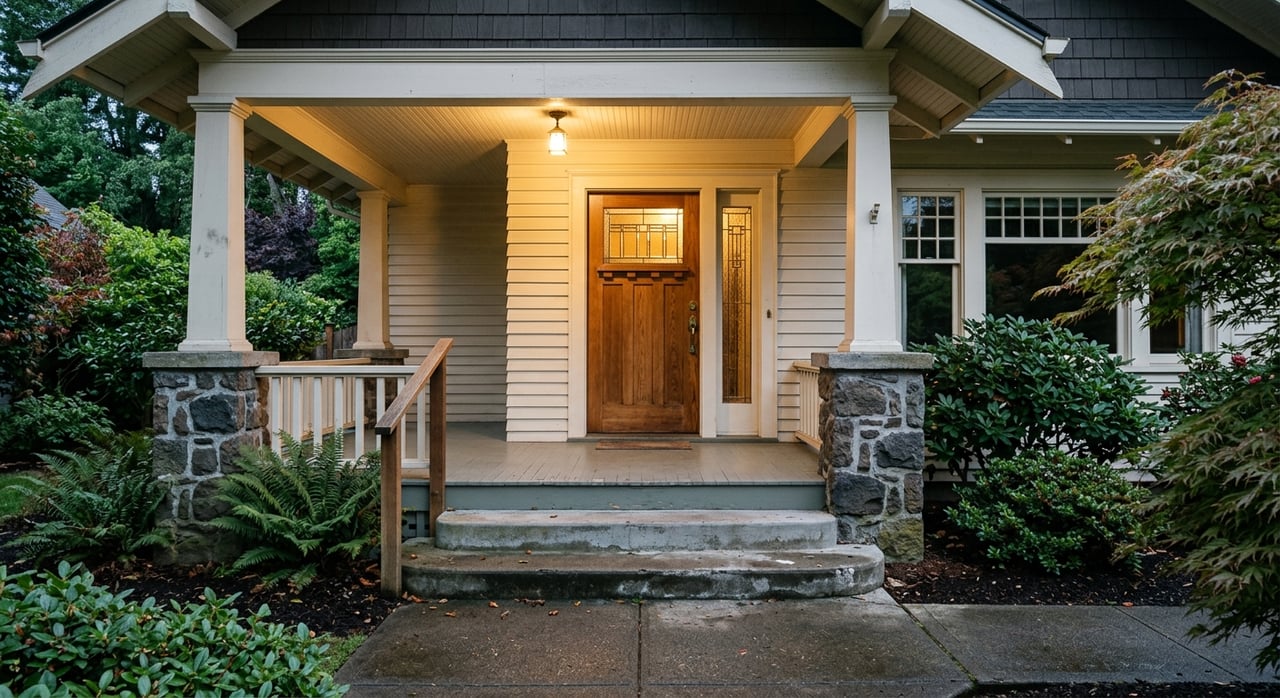
Key Things To Know Before Buying A Historic Olympia Home
April 23, 2026
April 23, 2026
Buying a historic home in Olympia can feel exciting and a little intimidating at the same time. You may be drawn to original details, mature streetscapes, and the character that newer homes often cannot match, but you also want to know what ownership really involves. If you are considering a home in one of Olympia’s historic areas, this guide will help you understand what to verify, what to inspect, and how to plan ahead with confidence. Let’s dive in.
One of the most important first steps is confirming whether the specific property is actually located within a historic district or has another historic designation. Olympia does not have one single, catch-all historic district, and the National Park Service explains that local historic districts are defined individually. That means the rules and review expectations can vary depending on the exact parcel.
In Olympia, this matters because the city’s code requires review for certain work on properties within a Historic District or on the Heritage Register. Before you fall in love with a house based on its curb appeal alone, make sure you know how the property is classified and what that means for future changes.
When people talk about historic Olympia homes, they are often referring to distinct areas with their own character and history. One of the best-known examples is South Capitol, which the National Register nomination describes as a large, cohesive neighborhood just south of the Capitol Campus. The district includes more than 440 primary properties, with most homes built between 1900 and 1929.
Another example is Olympia Avenue. According to the district staff report, this area spans 44 tax lots and 42 sites, with buildings dated from 1866 to 1978 and a period of significance from 1850 to 1954. It is made up mostly of residential uses and reflects a different historic pattern than South Capitol.
The takeaway is simple: not every historic area looks the same, and not every home will come with the same context. Understanding the district helps you better evaluate the home, the surrounding streetscape, and the long-term ownership experience.
With a historic home, you are often buying more than square footage and bedroom count. In South Capitol, the district nomination highlights architectural coherence, physical integrity, parks, churches, a school, and mature street landscaping. That sense of place is part of what attracts many buyers.
The same idea shows up in Olympia Avenue, where the report notes landscaped parking strips, tree cover, and a largely wood-frame residential character. In practical terms, the appeal of a historic Olympia home often includes porches, mature trees, original windows or siding, and a cohesive street presence. If those features matter to you, pay attention to the setting as much as the structure.
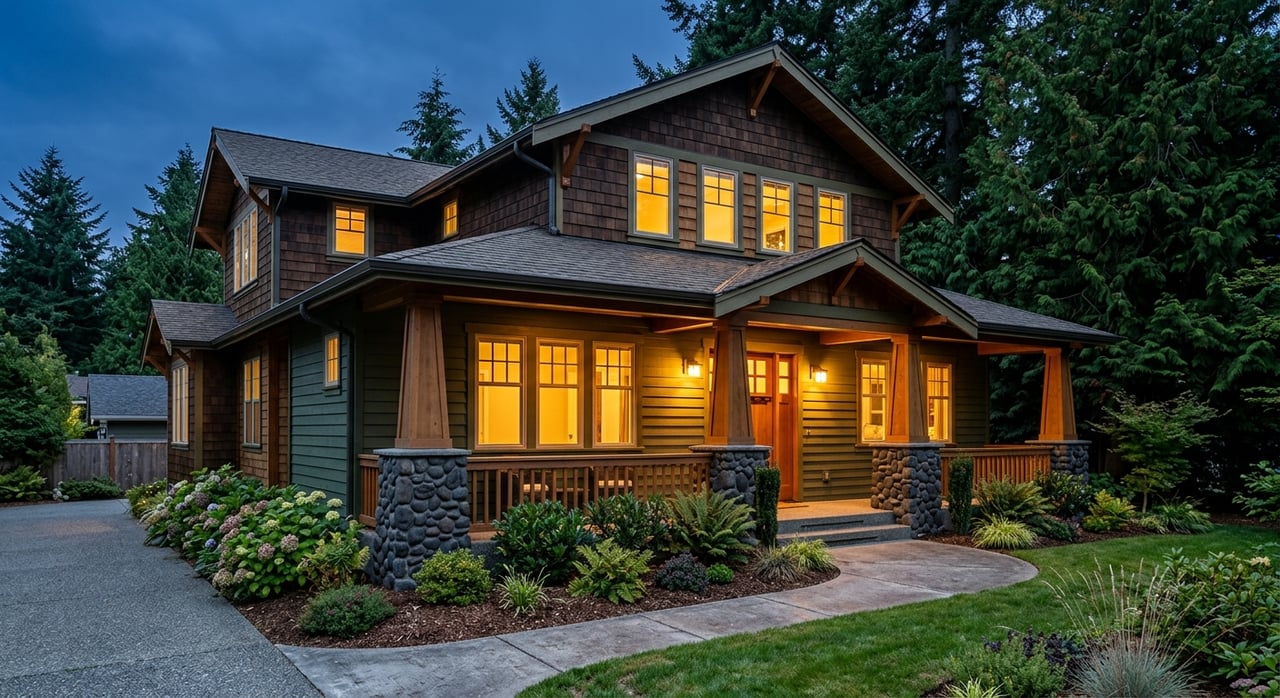
Historic Olympia homes can offer a wide range of styles. In South Capitol alone, the National Register nomination identifies nearly 20 building styles, including Queen Anne, Shingle Style, Colonial Revival, Mission and Spanish Colonial Revival, Bungalow and Craftsman, Victorian Cottage, American Four-square, English Revival, and French Eclectic.
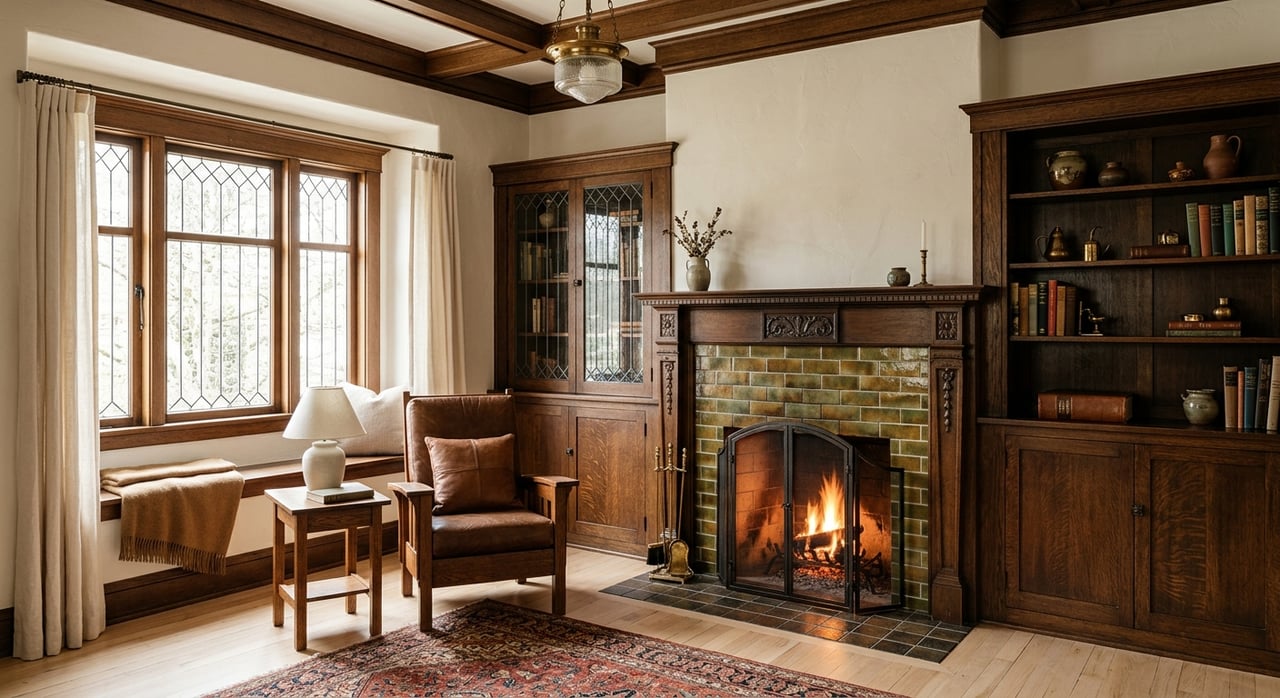
These homes may include details such as broad porches, verandas, balconies, brick and stone elements, and leaded glass. In Olympia Avenue, the district report points to styles such as saltbox, Pioneer, Queen Anne, Colonial or Dutch Colonial Revival, Arts and Crafts, and Tudor Cottage. It also mentions common features like drop siding, decorative shingling, wide eaves, and porch supports.
For you as a buyer, this means two things. First, architectural details are often a big part of the home’s value and charm. Second, those details may require a different maintenance mindset than a newer home with more standardized materials.
A historic home usually rewards buyers who are comfortable with steady, thoughtful upkeep. The National Park Service defines preservation as keeping the existing form, integrity, and materials of a historic property, with an emphasis on ongoing maintenance and repair rather than broad replacement.
That does not mean a historic house has to stay frozen in time. The same guidance notes that limited, sensitive upgrades to systems like mechanical, electrical, and plumbing can be appropriate. Still, the general approach is to maintain what makes the home distinctive whenever possible.
If you prefer a home where nearly every component is newer and more uniform, a historic property may feel more hands-on. If you value craftsmanship and original character, the tradeoff may feel well worth it.
Older homes can have a long life when moisture is managed well. The National Park Service recommends keeping roofs weather-tight, repairing flashing and downspouts, inspecting roofing at least once a year, and keeping vegetation away from the house. Those steps help protect gutters, walls, and foundations from avoidable water issues.
For buyers, that makes roof condition, drainage, grading, and seasonal upkeep especially important. During your due diligence, pay close attention to signs of water intrusion, deferred gutter maintenance, and vegetation too close to the structure. These may seem like small items at first, but on an older home they can have a bigger impact over time.
Not every historic home remains fully original, and that is not necessarily a red flag. In the Olympia Avenue report, staff noted changes such as wood windows replaced with vinyl, altered porch supports, enclosed porches, and rear additions. Even with those changes, the report described the buildings as generally in good condition aside from maintenance issues.
That is helpful for buyers because it reflects reality. Many historic homes have been repaired, modernized, or partially altered over time. Your job is not to find a perfect museum piece. It is to understand what has been changed, what condition the home is in today, and what future work may need review.
A common concern is whether historic status will stop you from making updates. In Olympia, Chapter 18.12 of the city code says that new construction, reconstruction, alteration, restoration, remodeling, repair, or demolition on covered historic properties is subject to review. At the same time, ordinary repair and maintenance, including painting, is exempt.
That balance is important. Routine care is generally more straightforward, while larger changes may need another layer of review. The code also notes that if no permit is required, owners are still encouraged to consult the preservation officer before starting work.
For you, the practical step is to ask early questions. If you already know you may want to replace windows, alter a porch, add on, or significantly change exterior features, verify the review path before you buy.
Historic-home purchases often go more smoothly when you approach them as a team effort. The Washington Department of Archaeology & Historic Preservation says that a qualified historic preservation professional can improve project quality, save time and money, and help protect the property’s history. The agency recommends checking experience, references, and similar project work.
Depending on the home and your plans, that team may include a preservation consultant, architectural historian, preservation architect, engineer, or landscape specialist. You may not need all of those professionals, but it helps to know they exist if questions come up during inspections or renovation planning.
A knowledgeable real estate advisor can also help you stay organized through this process by keeping timelines clear, helping you line up inspections, and making sure you understand what to verify before closing.
A standard home inspection is still essential, but a historic home may also need targeted follow-up. DAHP notes that Washington jurisdictions use building and energy codes with exceptions or alternative provisions for historic buildings, and it recommends early communication with the local code official.
That is one reason a general inspection should be treated as a starting point, not the final word. If the inspector flags roof concerns, moisture, electrical issues, aging systems, or code questions, it may make sense to bring in the right specialist before you move forward. This extra step can give you a clearer picture of both immediate repairs and long-term ownership costs.
If you are preparing to buy a historic Olympia home, focus on these key questions:
A calm, informed approach can make the process feel much more manageable. Historic homes often ask more of you as an owner, but they can also offer a level of character, setting, and craftsmanship that many buyers find hard to replace.
If you are thinking about buying a character home and want a steady, detail-focused guide through the process, Wendy Bremer can help you navigate each step with clear communication and practical support.
Stay up to date on the latest real estate trends.
As your trusted real estate professional, Wendy promises to be highly compassionate, collaborative, and reliable during one of life’s most stressful transactions. Work with Wendy today!